


Uveitis: When Eye Pain Signals an Autoimmune Condition
Eye pain, redness, and light sensitivity should never be ignored. In some cases, these symptoms may be caused by uveitis, an inflammatory eye condition that can also be an early sign of an underlying autoimmune disease.
At Family Vision Optical, our eye doctors help patients throughout Allendale, Michigan, identify the cause of eye inflammation and receive the care they need.
What is Uveitis?
Uveitis is inflammation inside the eye that affects the uvea, the middle layer of tissue that helps supply blood to important eye structures. It can cause redness, eye pain, blurry vision, light sensitivity, and floaters.
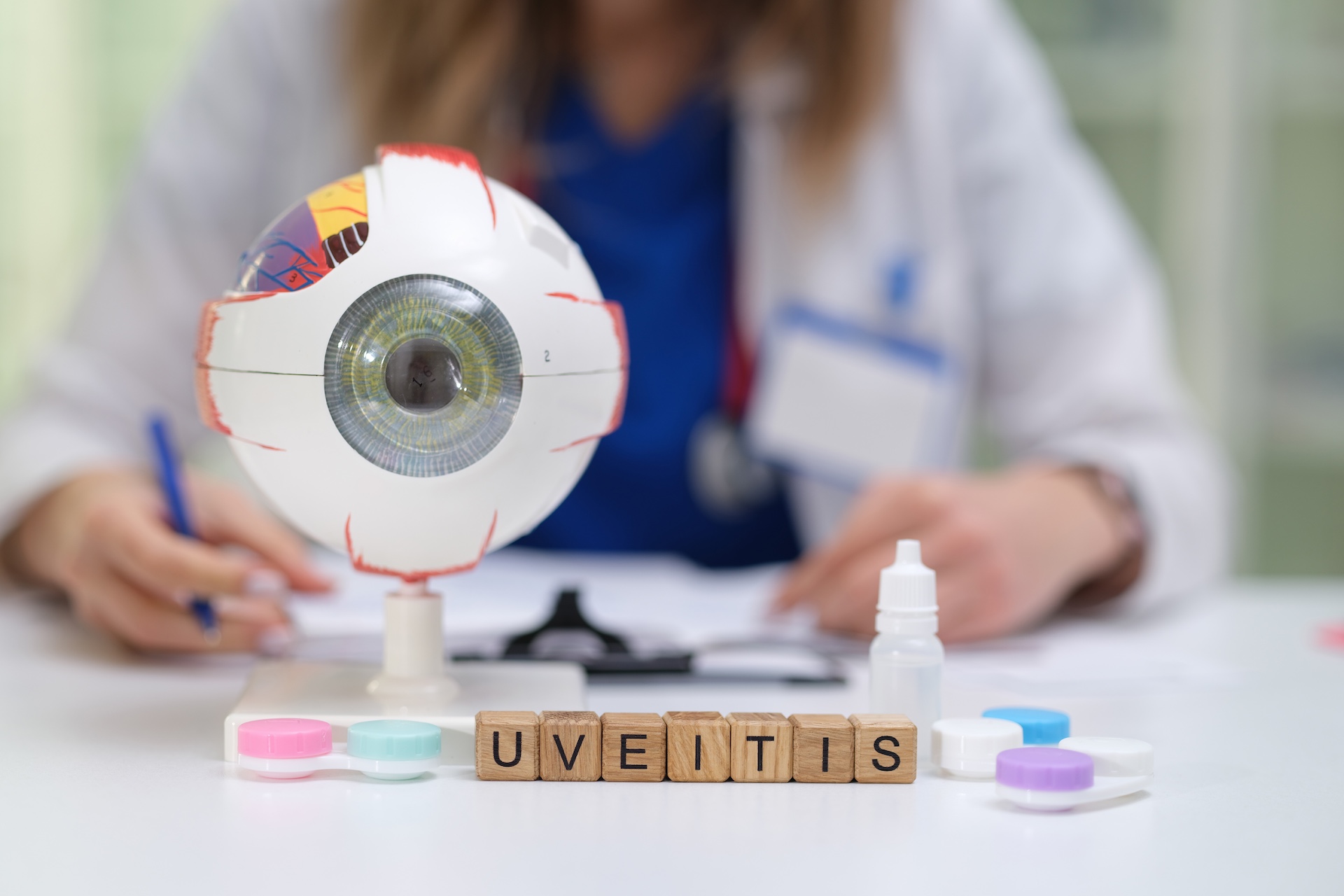
Many people assume allergies, dry eyes, or an infection cause a red eye. While those conditions are common, inflammation inside the eye requires careful evaluation because it can sometimes point to a broader health concern.
Early diagnosis allows our eye doctors to reduce inflammation, protect your eyesight, and determine whether another health condition may be contributing to the problem.
How Can Uveitis Signal Autoimmune Conditions?
Your immune system normally protects your body from illness. An autoimmune disease develops when the immune system mistakenly attacks healthy tissues, including tissues inside the eye.
For some patients, uveitis is one of the first noticeable signs of an autoimmune condition. Identifying the source of inflammation allows our eye doctors to coordinate care with your primary care provider or another healthcare professional when appropriate.
Which Autoimmune Conditions Can Be Linked to Uveitis?
Several autoimmune diseases have been associated with uveitis. While having one of these conditions does not always mean you will develop uveitis, recognizing the connection helps guide diagnosis and treatment.
Rheumatoid Arthritis
Inflammation caused by rheumatoid arthritis can sometimes affect the eyes, leading to pain, redness, and irritation.
Lupus
Lupus can affect many parts of the body, including the eyes. Eye inflammation may occur alongside other symptoms or, in some cases, be one of the earliest warning signs.
Ankylosing Spondylitis
This inflammatory condition primarily affects the spine but is also one of the autoimmune diseases most commonly associated with recurrent uveitis.
Psoriatic Arthritis
People living with psoriatic arthritis may develop inflammation in the eyes as well as the joints and skin.
Multiple Sclerosis
Although less common, uveitis can occur in some people with multiple sclerosis and may require coordinated care between multiple healthcare providers.
How We Treat Uveitis & Its Underlying Causes
Treating uveitis involves reducing inflammation inside the eye while identifying any underlying health conditions that may be contributing to it. Our eye doctors work closely with your healthcare team when additional evaluation or treatment is needed.

Treatment may include:
- Prescription eye drops to reduce inflammation and relieve discomfort.
- Dilating eye drops to help prevent complications inside the eye and reduce pain.
- Comprehensive eye exams to monitor healing and protect your vision.
- Coordination with your healthcare providers if an autoimmune condition is suspected or has already been diagnosed.
- Ongoing follow-up eye care to monitor for future flare-ups and manage long-term eye health.
Protect Your Vision With Early Uveitis Care in Allendale
Eye pain, redness, or light sensitivity should never be ignored. Early diagnosis and treatment can help protect your vision while providing important clues about your overall health.
If you’re experiencing persistent eye pain, blurry vision, or increased sensitivity to light, book your eye exam with Family Vision Optical. Our eye doctors are here to help patients throughout Allendale, Michigan, receive prompt, personalized care.
Uveitis FAQs
What are the first signs of uveitis?
Common symptoms include eye pain, redness, blurry vision, light sensitivity, and floaters. If you notice these symptoms, schedule an eye exam as soon as possible.
Is uveitis an emergency?
Uveitis should be evaluated promptly because untreated inflammation can lead to vision loss or other complications. Early treatment gives our eye doctors the best opportunity to protect your vision.
Does everyone with uveitis have an autoimmune disease?
No. Uveitis has several possible causes, including infections, injuries, and autoimmune conditions. Some patients never have an underlying cause identified.
Can uveitis come back?
Yes. Some people experience recurring episodes of uveitis, especially if it is linked to an autoimmune condition. Regular follow-up visits help our eye doctors monitor your eye health and manage future flare-ups.